


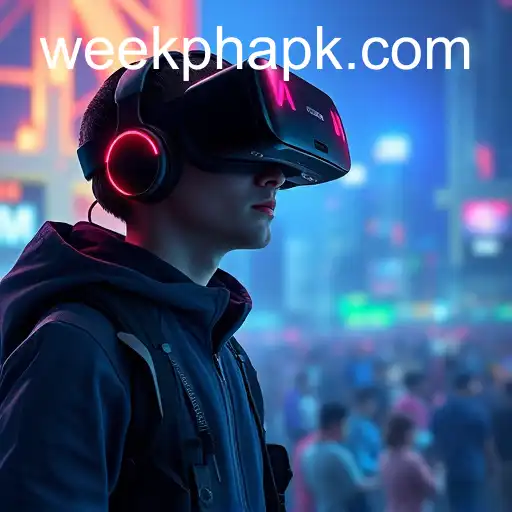
The gaming industry continues to expand its horizons, with the latest advancements in technology bringing fresh dynamics to the fore. This year, the increasing integration of AI and Virtual Reality (VR) is transforming how we interact with digital realms, pushing the boundaries of immersive experiences.
As prominent industry events, like 'weekph,' set the stage for unveiling these cutting-edge technologies, enthusiasts and developers are abuzz with excitement. This gaming festival, renowned for showcasing revolutionary ideas and fostering innovation, underscores the current trends propelling the industry forward.
One of the key highlights at recent events has been the exploration of VR landscapes. With headsets becoming more accessible, developers are creating worlds that are not only visually engaging but also deeply interactive. These developments are altering narratives and game mechanics, allowing players to experience stories in unprecedented ways.
Moreover, artificial intelligence is playing a pivotal role in redefining game design. AI-driven algorithms now enable more responsive and adaptive gameplay, offering personalized challenges and experiences that cater to individual player styles. This shift is not just about improving game difficulty; it is about crafting an experience that feels uniquely tailored to each player.
The future of gaming leans heavily on these advancements but also beckons conversations about the societal impacts of such technologies. As these technologies evolve, issues relating to data privacy, the digital divide, and accessibility come to the forefront. The industry's stakeholders must balance innovative progress with ethical considerations to ensure inclusive growth.
As we look towards the future, it's clear that the world of gaming holds endless potential. With events like 'weekph' continuing to spark global interactions and ideas, the next frontier of digital entertainment stands on the cusp of an exciting transformation.